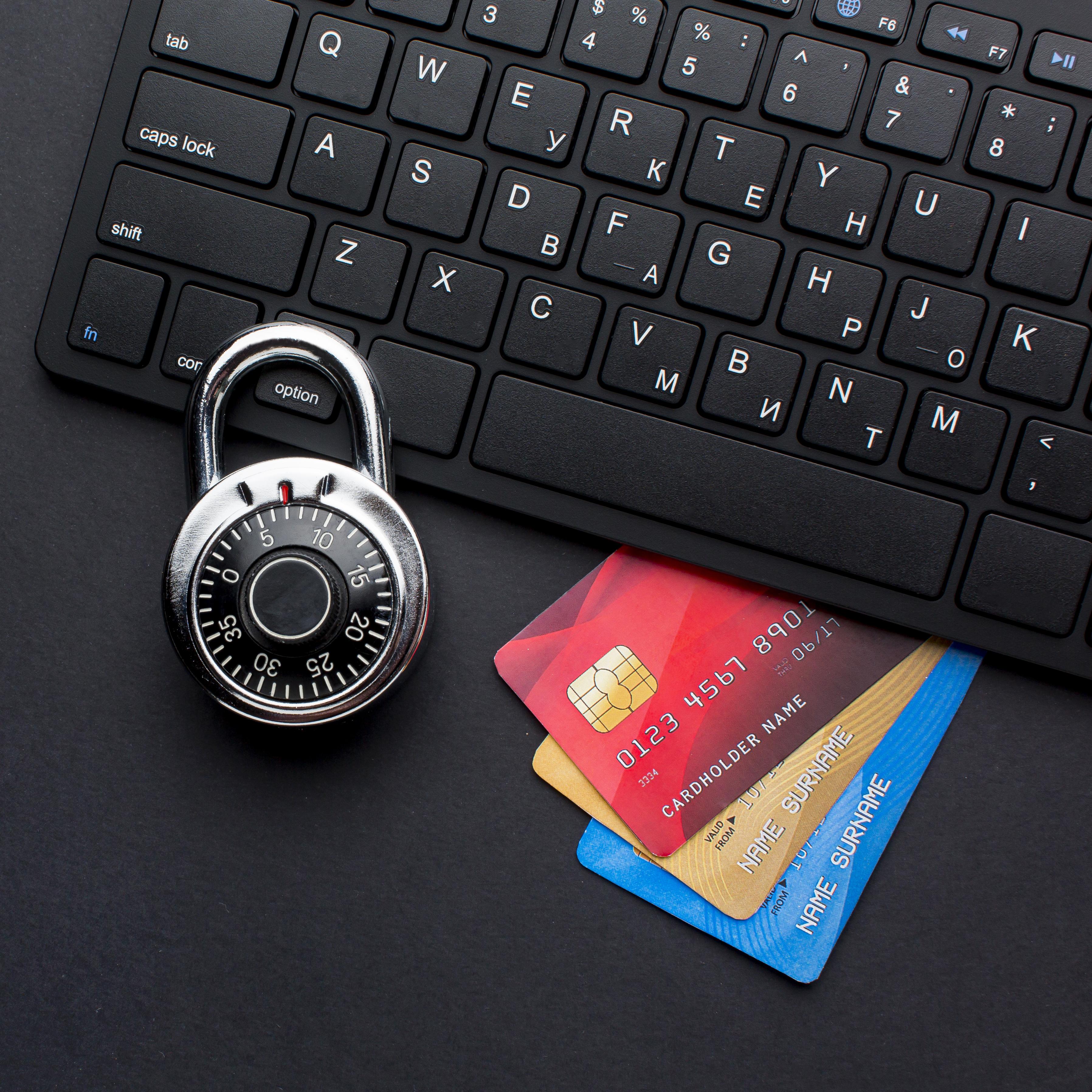

Cybersecurity often appears in the news only when a large organization suffers a major breach. Which creates a misleading sense of security among small business owners, thinking they are small and thus not a target, therefore taking a shortcut when it comes to cyber security. Research shows hacking cases in small to medium companies happen much more frequently than most people admit publicly. Hackers do not think in terms of companies but in terms of information and opportunities.
The misconception that it is mainly large firms that fall victim to attacks basically arises from how cyber attacks are covered in the news. Generalized cyber attacks make up most of the news, with smaller firms being underreported or under the radar altogether. As a consequence, people have come to believe that if a cyber attack fails to make major news, it simply is not happening. Some other reasons include entrepreneurs not considering cyber defense a priority or believing they can personally address an attack if it happens.
The evidence fails to support this myth. Studies have shown a high incidence of cyber attacks against small businesses. A study demonstrated that ninety four percent of small businesses have been victims of at least one cyber attack. Other statistics indicate nearly half of all cyber attacks happening in companies with less than a thousand employees, with small businesses being hit more frequently than large businesses. In the most recent reporting year, the FBI’s Internet Crime Complaint Center recorded approximately 880,000 complaints in the United States, with reported losses exceeding $12.5 billion.
Cyber attackers are searching for information and vulnerabilities. Small businesses will frequently possess payment information, customer or other business records, or IP, and they do not have an established level of information security. While a company is under rapid expansion, information security procedures may not be able to keep up with increasing systems and computer networks. Also, attacks on small businesses will not appear in publicly available reports, which gives cyber attackers a chance to reuse attack methods and remain undetected.
Cyber attackers rely on well-established techniques to infiltrate systems and disrupt operations. Common methods include malware, which is used to distribute malicious code; ransomware, which encrypts systems or data and demands payment for restoration; and phishing, which targets employees to obtain credentials or induce them to open malicious files.
Other techniques, such as man-in-the-middle attacks, intercept communications to access sensitive information, while denial-of-service attacks overwhelm systems to disrupt normal business activity. These attack methods are not limited to large enterprises. Any organization that handles customer, employee, or financial data can be a potential target.
Small businesses can shore up their defenses by establishing simple layers of protection and educating employees. Multi-factor authentication will make compromised passwords insufficient to gain access. Secure passwords will make vulnerability less likely, especially if paired with passwords management software. Keeping all software updated will eliminate identified vulnerabilities. Secure backups will enable small businesses to survive ransomware attacks without succumbing to extortion. Employee education is vital since simple human error remains a leading cause of a successful attack.
Finally, small businesses can further reinforce their security posture by adopting layered security solutions, such as threat intelligence, which provide early visibility into emerging risks, exposed assets, and active attack indicators, allowing organizations to detect and respond to threats before they escalate.
The cybersecurity community is growing in accordance with the requirements of small businesses. Suppliers have begun to offer pricing structures and support geared towards smaller budgets. Managed security solutions can prove helpful in early threat identification and fast responses to mitigate repercussions. For companies without in-house cybersecurity knowledge, vendors can support in setting up necessary security without increasing complexities.
While the cost of a cyberattack is often measured by the technical work needed to fix systems, the real impact usually goes much further. A ransomware attack or data breach can damage customer trust, disrupt daily operations, and harm a company’s reputation. For small businesses in particular, a single serious cyber incident can have lasting consequences and may even put the business at risk.
The myth that cyber attacks are only launched against large companies is very dangerous. Hackers will attack where data and vulnerability exist, and small businesses have both available in abundance. The truth of the matter is simple, the threat of cyber attacks is increasing for small businesses. Taking a proactive stance and using common sense safety measures can go a long way in protecting small businesses from cyber attacks.
Frequently Asked Questions